
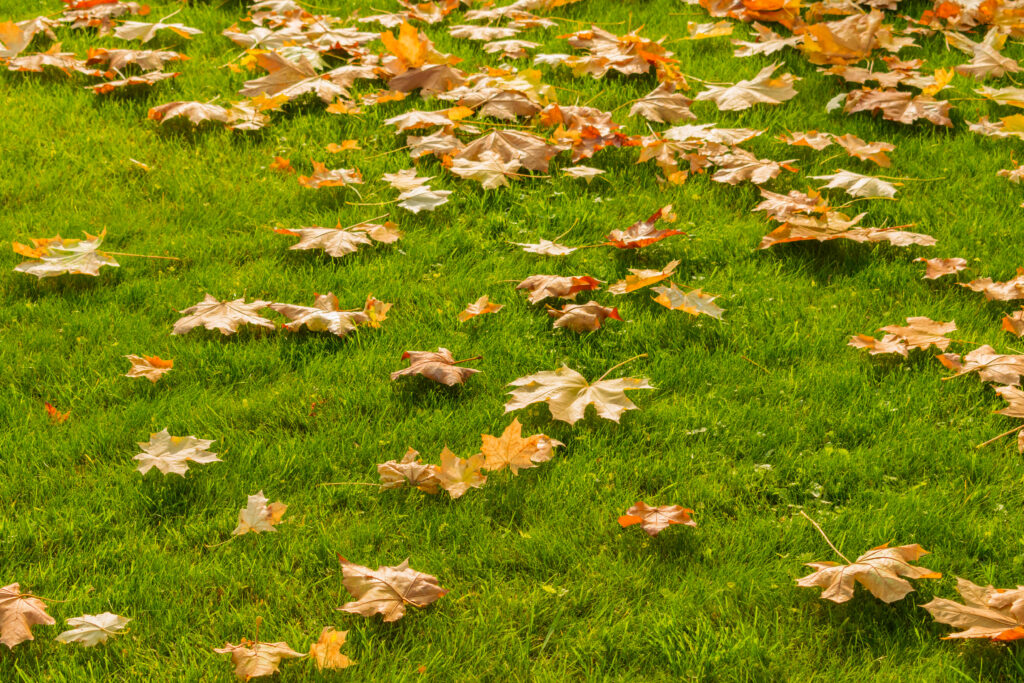
By late fall, you’re finally getting a break from mowing, and it looks like your lawn may be finished growing for the year. But while your grass may be going dormant for the season, there is still plenty of activity happening below the surface.
Your grass is still developing roots and storing nutrients that will help it make it through the winter and recover when temperatures warm again. That’s why late-fall fertilization, often called a winterizer treatment, is the most important lawn treatment of the season.
Applying the right fertilizer at the right time can help your lawn head into winter stronger and give it a head start when spring arrives. And because fall weather can vary considerably from one year to the next in Akron, Canton, Cleveland, and surrounding communities, knowing when and how to fertilize matters.
What Is a Winterizer Lawn Treatment?
Winterizer is a late-fall fertilizer application designed to support your lawn as it transitions toward winter dormancy.
Unlike fertilizer applications earlier in the growing season, the goal isn’t to produce a burst of green top growth. Much of the work happens below the surface, where the winterizer provides nutrients that support root growth, energy storage, and recovery from summer stress.
The result is a lawn that’s better prepared for winter and an earlier, more consistent green-up in spring with thicker, healthier grass.
When Should You Apply Winterizer in Northeast Ohio?
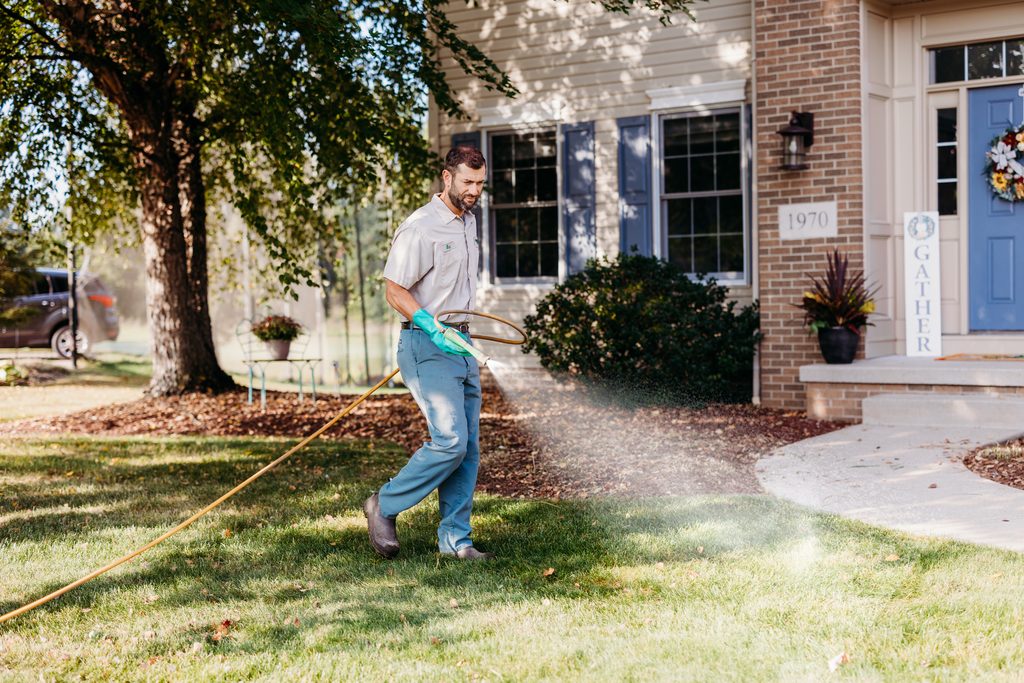
Northeast Ohio’s cool-season grasses continue important root activity as temperatures drop, creating a window for late-fall fertilization after top growth has slowed but before the ground freezes.
Northeast Ohio doesn’t follow the same weather schedule every year. Rather than relying on a specific calendar date, watch your lawn and the weather. Some signs that the late-fall window is approaching include:
- You’re mowing much less frequently.
- Grass growth has slowed considerably.
- Temperatures have consistently cooled.
- The ground is still unfrozen.
A professional lawn care provider can account for those changing conditions when determining the appropriate treatment window.
What to Do Before and After a Late-Fall Fertilizer Treatment
A winterizer treatment doesn’t require complicated preparation, but a few basic lawn care practices can help you get your property ready.
Before Treatment
Keep mowing as needed. If your lawn is still growing, continue mowing until growth stops.
Don’t scalp the lawn. There’s no need to cut the grass unusually short before winter. Continue following good mowing practices rather than dramatically lowering your mower height for the final cut.
Clear excessive leaves and debris. A heavy layer of leaves can prevent granular fertilizer from reaching the turf and soil. Keeping the lawn reasonably clear also helps prevent leaves from matting down the grass.
If Grass Master is treating your lawn, follow any specific preparation instructions provided for your application.
After Treatment
Whether you need to water in a fertilizer depends on the product being applied and weather conditions. If you’re using a lawn care service, follow the instructions provided after your treatment.
Continue mowing if your lawn continues growing, and don’t worry if you don’t see an immediate change in its appearance. Remember, late-fall fertilizer isn’t intended to create a sudden growth spurt. It’s preparing your lawn below the surface for winter and the growing season to come.
Winterizer vs. Aeration and Overseeding
Aeration, overseeding, and late-fall fertilization can all play important roles in fall lawn care, but they don’t accomplish the same thing.
Core aeration relieves soil compaction and improves access to air, water, and nutrients. Overseeding introduces new grass seed to help improve thin or damaged areas. These services can be especially beneficial for lawns recovering from summer stress.
Late-fall fertilization serves a different purpose. As we’ve discussed, it supplies nutrients to help established turf strengthen its roots and store energy before winter.
For lawns that were aerated and overseeded earlier in the fall, a late-season fertilizer application can be an important final step in preparing for winter.
Late-Fall Fertilization FAQs
Is it too late to fertilize my lawn?
The calendar alone doesn’t determine whether it’s too late. Weather, soil conditions, and the stage of lawn growth all matter.
A lawn may still benefit from an appropriately timed late-fall fertilizer application after top growth has slowed, provided the ground has not frozen. Once the soil is frozen, however, the window for a late-season application has generally passed.
Can fertilizer be applied after the first frost?
Yes, the first frost doesn’t necessarily mean it’s too late to fertilize.
Frost occurs when temperatures near the surface drop low enough for frost to form, but that doesn’t mean the soil has frozen. Your lawn can experience several frosts before the ground freezes for the season.
The condition of the lawn and soil is more important than whether you’ve already scraped frost off your windshield.
Should I mow before winterizer is applied?
If your grass needs mowing, you can do so before the treatment. You don’t need to cut it unusually short before winterizer.
Continue mowing normally while the grass is actively growing, and avoid scalping the lawn.
Does winter fertilizer need to be watered in?
It depends on the fertilizer product and how it’s applied. Some granular fertilizers need moisture to move nutrients into the soil, while application instructions can vary.
If Grass Master applies the treatment, follow the watering instructions provided for that specific application. Natural rainfall may also provide the necessary moisture in some circumstances.
Can winterizer prevent winter lawn damage?
Winterizer can help your lawn enter winter in a stronger condition, but it can’t prevent every type of winter damage.
Snow cover, fluctuating temperatures, drainage problems, and other environmental conditions can all affect turf during the winter. Late-fall fertilization is about improving the lawn’s overall health and resilience rather than creating a shield against winter weather.
Can I use regular fertilizer instead of a winterizer?
Not all fertilizers are formulated for the same purpose or time of year.
The right product depends on its nutrient composition, your lawn’s condition, and when it is applied. Simply using leftover fertilizer from earlier in the season may not provide the same benefits as an application selected for your lawn’s late-season needs.
Professional lawn care takes the guesswork out of choosing the appropriate product, application rate, and timing.
Give Your Lawn What It Needs Before Winter
Late-fall fertilization isn’t about keeping your lawn green and growing through a Northeast Ohio winter. It’s about giving it the nutrients it needs to grow strong beneath the surface so that it can deliver a thicker, healthier turf in the spring.
Grass Master has been caring for Northeast Ohio lawns for years, with lawn care programs designed around local conditions and the needs of individual properties. Our experienced professionals can help take the guesswork out of when to fertilize, what to apply, and what your lawn needs throughout the year.
Get an instant lawn quote or learn about our ongoing treatment options.
