
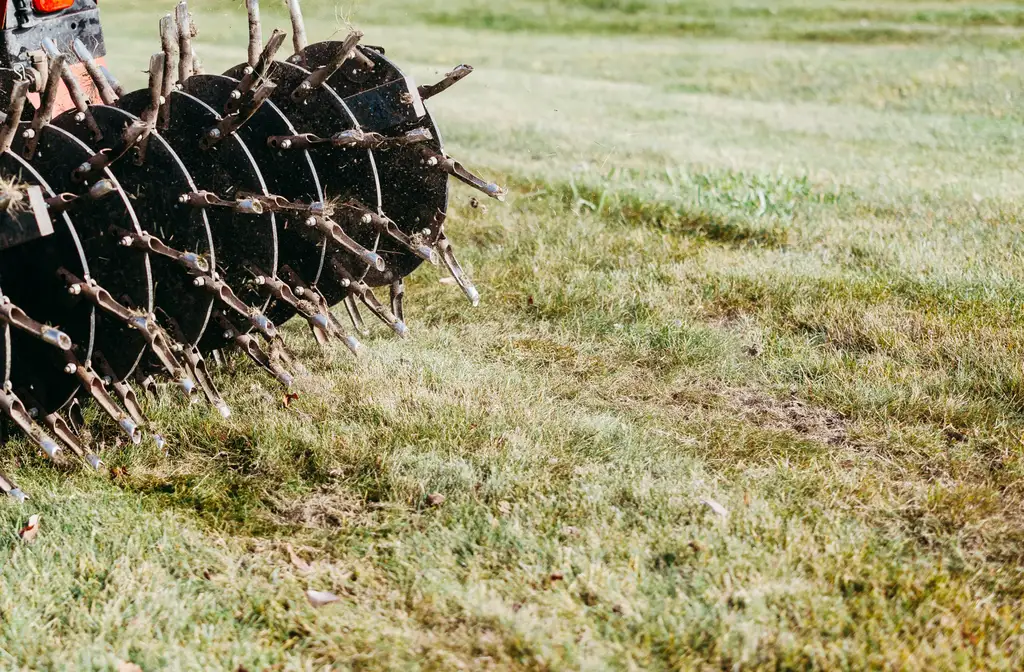
Aeration and overseeding can help give a thin, struggling lawn a fresh start, but the results don’t appear overnight. New grass needs time to become established. What you do during those first few weeks can also have a big impact on the results.
If you recently had your Northeast Ohio lawn aerated and overseeded, knowing what to expect can help you care for the new grass and ease your mind about changes that are simply part of the process.
What Happens During Aeration and Overseeding?
Although core aeration and overseeding are often performed together, they serve two different purposes.
Core Aeration
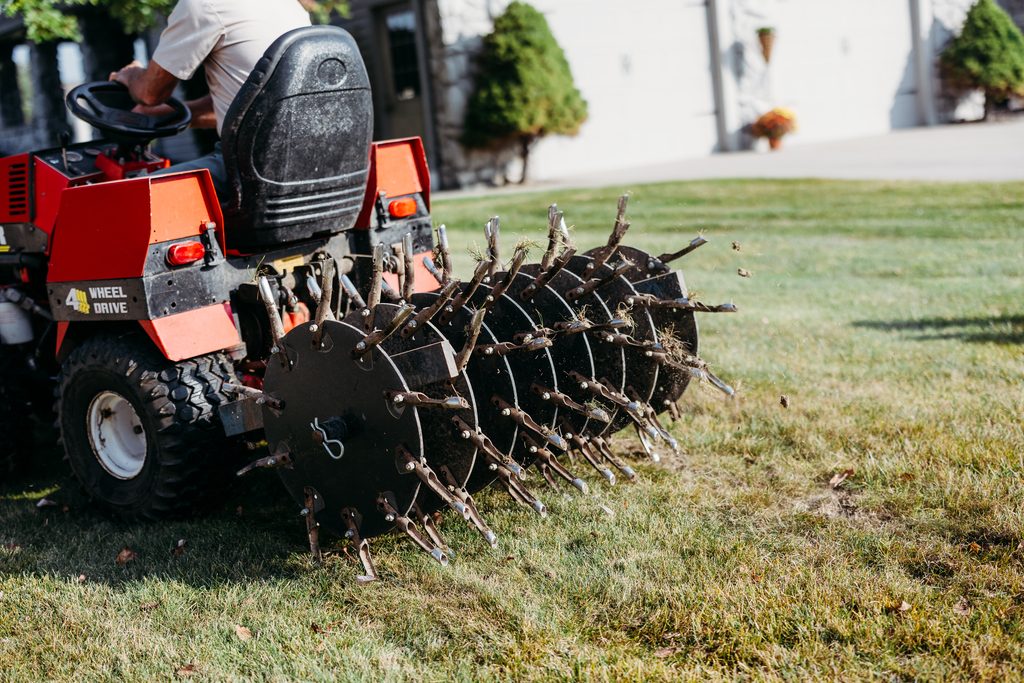
A core aerator is a machine equipped with hollow tines that penetrate the lawn and remove small plugs, or cores, of soil and thatch. These openings help relieve soil compaction and make it easier for air, water, and nutrients to reach the grass roots.
Aeration can be beneficial on its own, particularly for lawns with compacted soil. When combined with overseeding, it also creates openings where grass seed can make better contact with the soil.
Overseeding
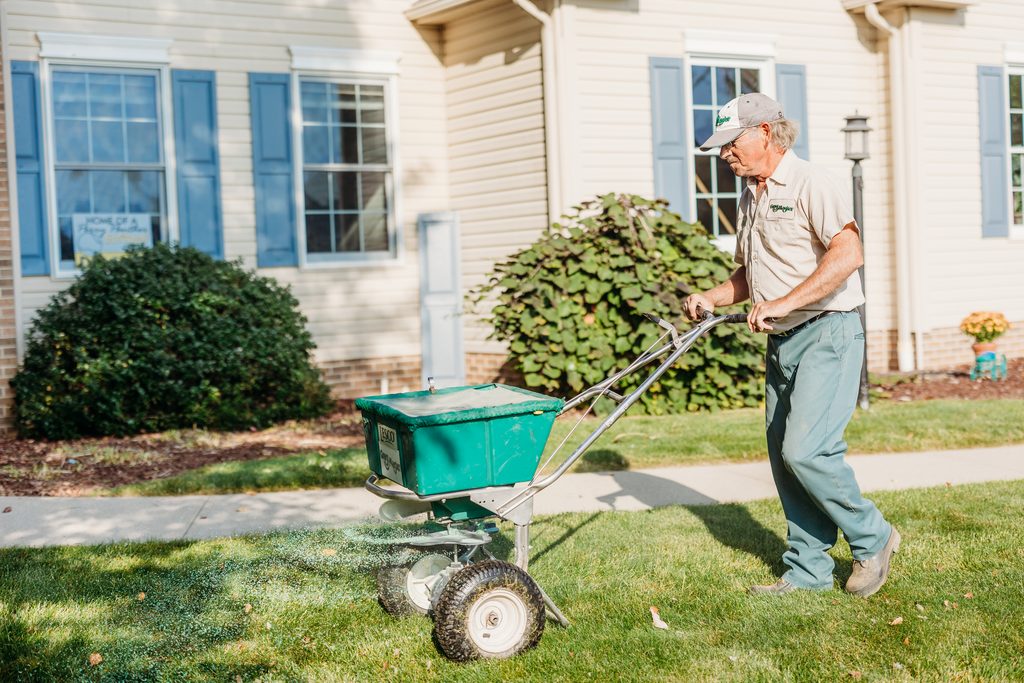
Overseeding involves spreading new grass seed over an existing lawn. The goal isn’t to replace the grass that’s already there, but to introduce new growth that can help fill thin or bare areas and create thicker, denser turf.
Together, core aeration and overseeding can help improve growing conditions while encouraging new grass to become established throughout the existing lawn.
What to Expect Right After Aeration and Overseeding
Don’t expect your lawn to look better immediately after service. In fact, it may temporarily look a little messier.
You’ll likely see small soil plugs scattered across the lawn, holes where the cores were removed, and grass seed on or between the existing blades of grass. The aeration equipment may also leave some existing grass flattened.
The holes created by aeration will also become less noticeable as the lawn recovers and the new grass grows.
When Will Grass Grow After Overseeding?
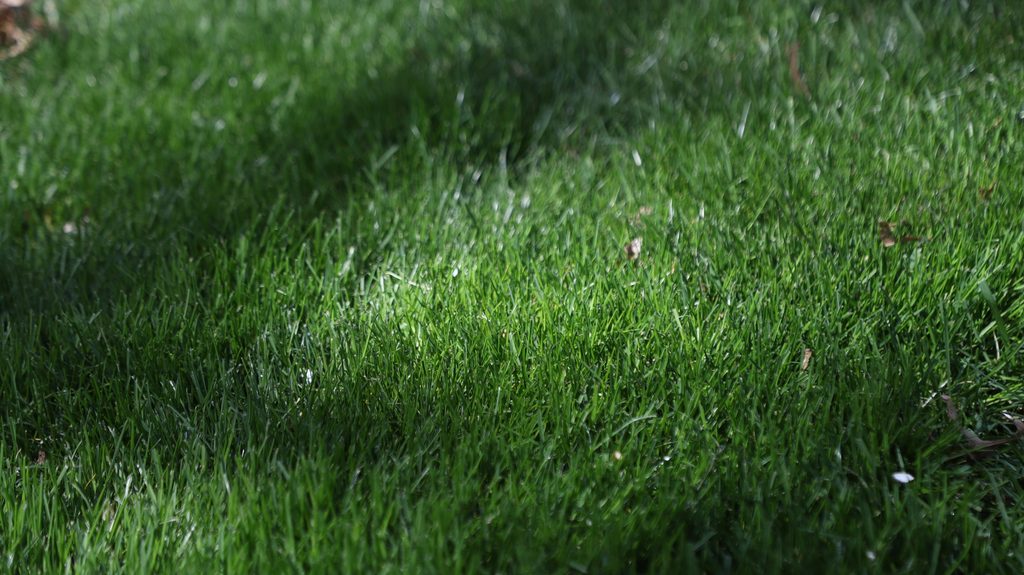
Grass seed doesn’t germinate immediately, and not every type of grass germinates at the same rate. Weather, soil temperature, moisture, sunlight, and the grass varieties used can all affect how quickly you see results.
In general, you may begin noticing the first new shoots within about one to three weeks. Some varieties germinate relatively quickly, while others can take longer. Over the next several weeks, those seedlings will grow taller and begin developing stronger roots.
Don’t be concerned if your lawn doesn’t fill in all at once. Overseeding is a process, and the lawn will continue changing as different seeds germinate and young grass becomes established.
Dos and Don’ts After Aeration and Overseeding
The most important part of caring for an overseeded lawn is giving the new seed the moisture and time it needs to establish. Paying particular attention to watering and mowing can help protect your investment.
Do: Keep the Seed Moist
New grass seed requires consistent moisture to germinate. How often you need to water will depend on the weather. Warm, dry, or windy conditions can cause the soil to dry more quickly, while rainy Northeast Ohio weather may reduce or eliminate the need for supplemental watering on some days. The key is ensuring it is watered lightly and frequently enough to keep the upper layer of soil moist without saturating it.
As the seedlings grow and begin developing roots, you can gradually transition to deeper, less frequent watering. This encourages roots to grow farther into the soil and helps the young grass become more resilient.
Don’t: Drown the Lawn
Consistency matters more than simply applying a lot of water. Excessive watering can cause puddling and runoff and may move grass seed away from where it was applied.
The goal is moist soil, not standing water.
Do: Give New Grass Time Before Mowing
Your existing grass will continue growing while you wait for the new seed to germinate, so the lawn may get a little taller than you’re accustomed to.
Resist the urge to mow too soon. Wait until the new grass is tall enough and established enough to tolerate mowing. When it’s time for the first cut, mow when the grass is dry and use a sharp mower blade to reduce the risk of pulling or damaging young seedlings.
Don’t: Cut New Grass Too Short
A close cut can put unnecessary stress on young grass that is still establishing its root system. Avoid trying to immediately return the lawn to a shorter mowing height after allowing it to grow. Continue following the one-third rule, which means removing no more than about one-third of the grass blade in a single mowing.
Gradual mowing will give the new grass time to strengthen while helping it blend into the established turf.
Don’t: Remove the Soil Plugs
The soil plugs are supposed to remain on the lawn because they contain nutrients and beneficial microorganisms that help return organic matter to the soil. Over time, watering, rain, and mowing will help break them apart naturally. There’s no need to rake or collect them.
Aeration and Overseeding Aftercare FAQs
What happens if it rains heavily after overseeding?
A normal rainfall can be helpful because it provides moisture for germination. A heavy downpour, however, can sometimes cause runoff that moves seed, particularly on slopes or in areas where water naturally flows.
If heavy rain displaces enough seed, some areas may need to be reseeded. However, it’s important to give the lawn time to germinate before evaluating the results.
Can children and pets use the lawn after aeration and overseeding?
You don’t necessarily have to keep everyone off the lawn entirely, but reducing activity during the early stages gives the new grass a better opportunity to establish. Running, playing, and repeated pet traffic can move seed or damage tender seedlings. Be especially mindful of heavily traveled paths and areas pets use repeatedly.
Why are some areas filling in faster than others?
Uneven germination is common after overseeding. Different parts of the same lawn can have very different growing conditions.
One area may receive more sunlight, while another stays cooler or wetter. Differences in soil temperature, moisture, compaction, seed-to-soil contact, and existing turf density can all affect germination. Different varieties of grass seed may also germinate at different rates.
Give slower areas time before assuming something went wrong.
When will my lawn look normal again?
Think in terms of weeks rather than days. You should see your lawn gradually change over the weeks following aeration and overseeding. Soil plugs will break down, aeration holes will become less noticeable, and new seedlings will begin blending into the established grass.
While you may see germination within the first few weeks, developing a thicker, more established lawn takes longer. Weather, watering, soil conditions, grass variety, and the time of year can all influence the timeline.
Give Your Lawn the Conditions It Needs to Grow
Core aeration and overseeding can help address compacted soil and thinning turf while creating better conditions for a thicker, healthier lawn. And when it’s done at the right time and followed by proper care, it can make a noticeable difference in how your lawn grows and performs.
Grass Master provides core aeration and overseeding for homeowners throughout Northeast Ohio, including Akron, Canton, Cleveland, and surrounding communities. We can also help you build a more complete approach to lawn health through our lawn care programs.
Ready to give your lawn some extra attention? Get an instant lawn quote today or learn more about core aeration and overseeding.
