
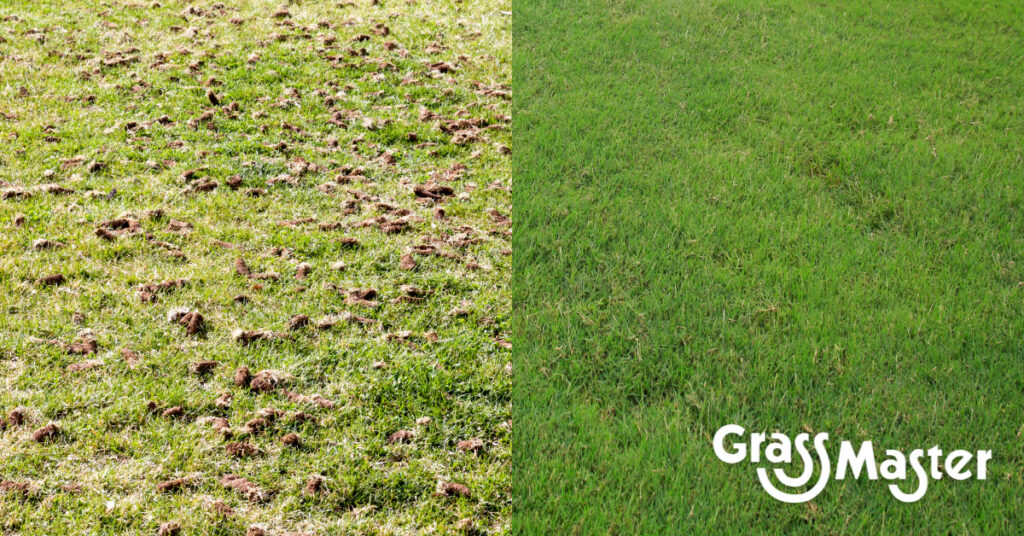
When it comes to core aeration, timing matters.
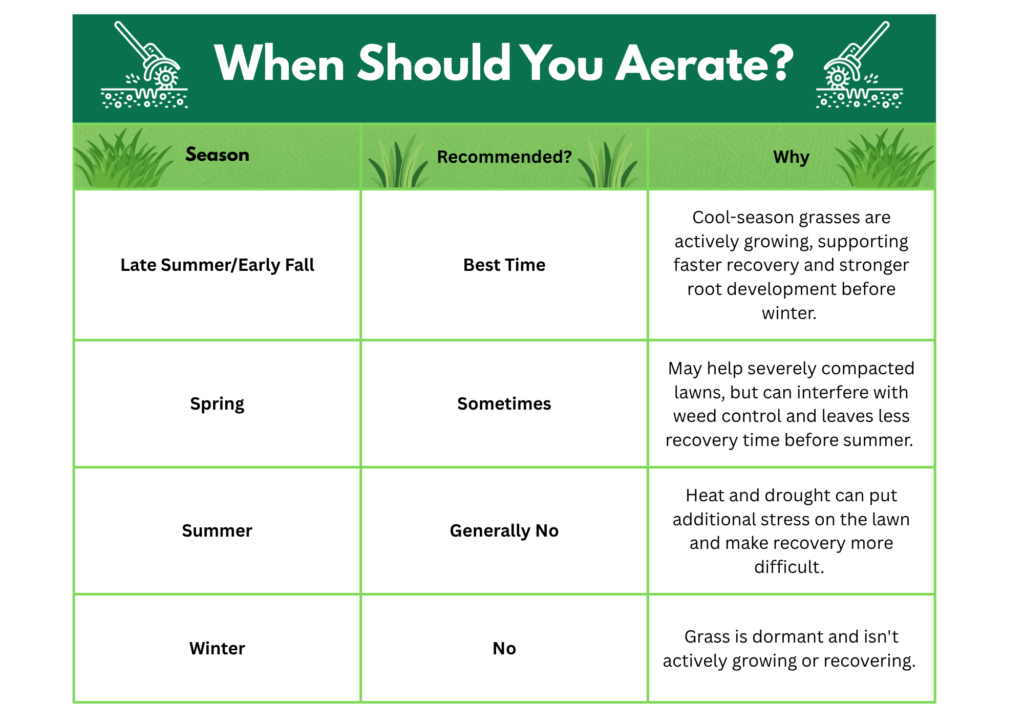
For most Northeast Ohio homeowners, the best time to aerate is late summer through early fall—typically late August through October. During this window, cool-season grasses are actively growing, giving your lawn time to recover and develop stronger roots before winter.
But does that mean you should never aerate in the spring? What if your lawn is heavily compacted? And how do you know whether your lawn actually needs to be aerated this fall?
Here’s what Ohio homeowners should know about choosing the right time for core aeration.
At a Glance: When Should You Aerate?
For most homeowners, that makes late August through October the sweet spot.
For most homeowners, that makes late August through October the sweet spot.
Most residential lawns in Northeast Ohio are made up primarily of cool-season grasses, including Kentucky bluegrass, perennial ryegrass, and tall fescue.
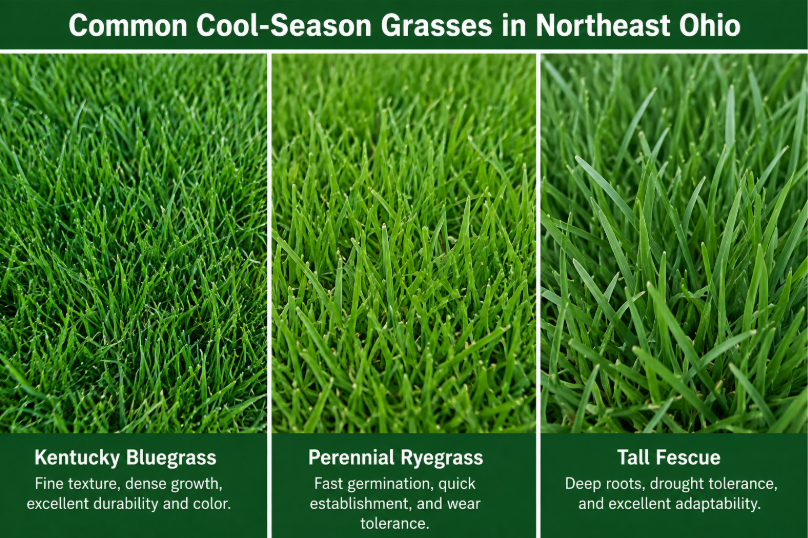
Unlike warm-season grasses, these varieties experience some of their strongest growth as summer temperatures begin to cool.
Aerating during this period gives your lawn the opportunity to recover from the service while encouraging stronger root development before winter arrives.
Fall also provides several conditions that work in your lawn’s favor:
- Cooler temperatures reduce stress on the grass.
- Seasonal rainfall helps keep the soil moist.
- Actively growing grass can recover more quickly.
- Nutrients can more easily reach the root zone.
- Roots continue developing into the fall, even as visible top growth begins to slow.
If your lawn has also experienced a stressful summer, fall aeration can help create better growing conditions heading into the next season.
A Quick Refresher: What Does Core Aeration Do?
Core aeration removes small plugs of soil from your lawn, relieving compaction and creating pathways that allow water, oxygen, and nutrients to move more freely into the root zone.
Want to learn more about how the service works? Explore Grass Master’s Core Aeration service.
Can You Aerate Your Lawn in the Spring?
Yes—but spring usually isn’t the first recommendation.
Spring aeration may make sense when a lawn is suffering from severe soil compaction or winter damage and waiting until fall could allow the problem to worsen.
However, there are some drawbacks.
Spring is also when crabgrass prevention and weed control programs typically begin. Aerating creates openings in the soil, which can complicate weed management if the lawn isn’t properly protected.
Spring also gives your grass less time to develop deeper roots before summer heat and drought arrive.
For most Northeast Ohio lawns, waiting until late summer or early fall provides better growing conditions for recovery.
What About Summer or Winter?
While aeration can technically be performed at other times, summer and winter generally aren’t recommended for Northeast Ohio lawns.
Summer
Summer heat and drought already put cool-season grasses under significant stress. Aerating during periods of heat or dry weather can add another challenge when the lawn isn’t growing vigorously enough to recover quickly.
Winter
Once the lawn is dormant and the ground begins to freeze, there is little benefit to aerating. The grass isn’t actively growing, and frozen soil may make aeration impractical.
In most cases, you’re better off waiting for the next appropriate growing window.
Does Your Lawn Need Aeration This Fall?
Just because fall is the best time to aerate doesn’t necessarily mean every lawn needs it every fall.
Your lawn may be a good candidate for aeration if you notice:
- Water puddling after rainfall
- Soil that feels hard when you push a screwdriver into it
- Thin or patchy grass
- Heavy foot traffic from kids or pets
- Excessive thatch buildup
- Bare areas that never seem to recover
- Grass that browns quickly during dry weather
- Fertilizer treatments that don’t seem to improve growth
Northeast Ohio’s naturally heavy clay soils make compaction particularly common.
If several of these signs sound familiar, fall may be the right time to consider aeration.
Why Grass Master Recommends Annual Aeration
Northeast Ohio’s heavy soils are continually exposed to mowing, foot traffic, pets, weather, and other conditions that contribute to compaction over time.
That’s why Grass Master recommends making core aeration part of your annual lawn maintenance plan. Regular fall aeration helps relieve compaction before it begins limiting the movement of air, water, and nutrients into the root zone.
Planning to Overseed? Timing Matters Even More
If you’re planning to overseed your lawn, fall aeration can provide an added benefit.
The openings created during core aeration provide improved seed-to-soil contact, giving new grass seed a better opportunity to germinate and establish.
Because late summer and early fall also provide favorable growing conditions for cool-season grasses, the two services are often performed together.
Learn how overseeding can help restore a thin lawn without starting over.
What to Expect After Fall Aeration
After aeration, you’ll notice small plugs of soil scattered across your lawn. Leave them in place—they’ll naturally break down and return organic matter to the soil.
Normal activity can continue after aeration, so kids and pets can still use the lawn. If you’ve also overseeded, however, minimizing heavy traffic during the first several days can help protect the new seed.
Continue watering as recommended, particularly if aeration was paired with overseeding.
Frequently Asked Questions
What month should I aerate my lawn in Ohio?
For most Northeast Ohio lawns, late August through October is the ideal aeration window because cool-season grasses are actively growing and able to recover before winter.
Is September a good time to aerate?
Yes. September falls within the ideal aeration window for most Northeast Ohio lawns.
Can I aerate my lawn in October?
Yes. October can still be an appropriate time to aerate, depending on weather and growing conditions.
Can I aerate in the spring instead?
You can. Spring aeration may be appropriate for severely compacted lawns or lawns experiencing winter damage. However, fall is generally preferred because it aligns with the active growth period of Ohio’s cool-season grasses and avoids some potential conflicts with spring weed-control programs.
Should I mow before aeration?
Mowing shortly before aeration can make it easier for aeration equipment to reach the soil effectively.
Can I fertilize after aeration?
Yes. Aeration creates openings that allow nutrients to move closer to the root system.
Can my kids and pets use the lawn after aeration?
Yes. Normal activity won’t interfere with the aeration process. If you’ve also overseeded, minimizing heavy traffic for the first several days can help protect the new seed.
Don’t Miss Ohio’s Fall Aeration Window
Wondering whether your lawn could benefit from aeration this fall? Request your quote today and let Grass Master help prepare your lawn for healthier growth in the seasons ahead.
